Recovery, Sleep And Magnesium: The Quiet Work That Wins Fights
Why the hours after training, the quality of your sleep and the balance of minerals like magnesium decide how well a combat athlete recovers, adapts and keeps showing up.

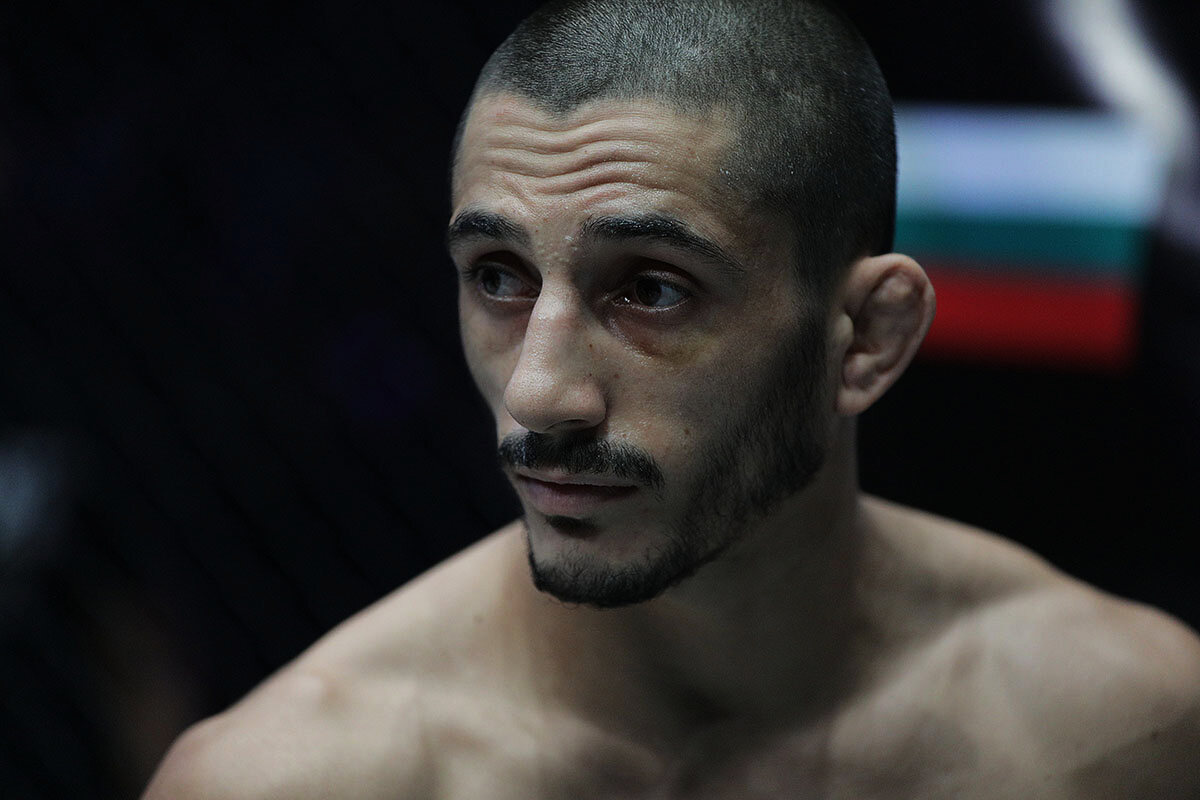
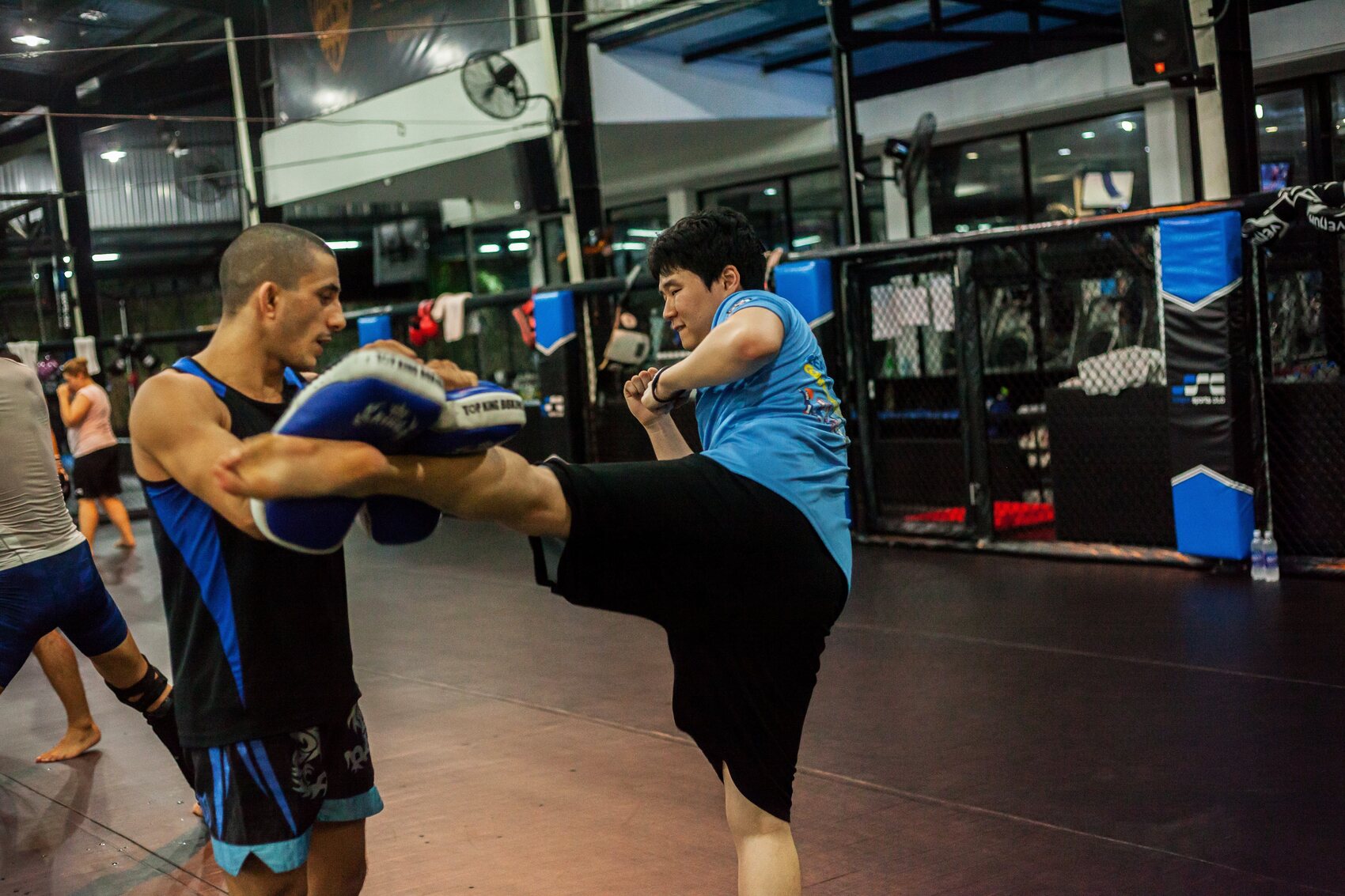
Ask most people what makes a fighter and they picture the hard part, the rounds on the pads, the sparring, the strength work. Sotir Kichukov has spent close to two decades inside that world, competing across three continents and coaching everyday professionals alongside serious athletes. What he keeps coming back to is simple and easy to ignore. You do not get stronger during training. You get stronger in the hours after it, while you rest.
Recovery is where the adaptation actually happens
Training is a stress. It breaks tissue down, drains your energy stores and taxes your nervous system. The improvement, the extra strength, the sharper timing, the deeper gas tank, is built while your body recovers from that stress. Skip the recovery and you are simply stacking fatigue. Over weeks that shows up as flat sessions, nagging niggles, broken sleep and a body that feels heavy long before it should.
For a combat athlete this matters twice over. The work is intense and the calendar is unforgiving. Recovery is not the reward for training hard. It is part of the training itself.
Sleep is the foundation nothing else replaces
Sleep is when the body does its heaviest repair. Tissue repair ramps up, the brain locks in the skills you drilled that day, and the nervous system resets. A fighter who sleeps well recovers between sessions, learns faster and makes cleaner decisions under pressure. A fighter who is chronically short on sleep is training a tired body and a tired mind, and it shows in both.
Sotir treats sleep as a performance tool, not a luxury. Consistent hours, a dark and cool room, and a genuine wind down before bed do more for most people than any single product on a shelf.
Where minerals fit, and why magnesium keeps coming up
Minerals are the quiet machinery behind all of this. They are electrolytes, the charged particles that let your muscles contract, your nerves fire and your body stay in balance. Train hard through a Melbourne summer and you sweat a lot of them out. Magnesium is the one that combat athletes and hard training people ask about most, and for good reason. It is involved in hundreds of processes in the body, and a few of them matter directly to anyone who trains.
Muscle function and cramp
Magnesium plays a role in both the contraction and the relaxation of muscle, working alongside calcium, potassium and sodium to keep that cycle smooth. When mineral balance is off, muscles can feel tight, twitchy or prone to cramp. It would be dishonest to promise that topping up magnesium cures every cramp, because the causes are varied and the research is genuinely mixed. What is fair to say is that keeping your minerals in a healthy range gives your muscles the conditions to work the way they should.
The nervous system and winding down
Magnesium also supports the calm side of the nervous system, the part that lets you settle after a high intensity session. Many athletes who train in the evening know the feeling of lying in bed still wired at midnight. Adequate magnesium is linked with better sleep quality and an easier slide into rest, which loops straight back to recovery. This is one reason a 6pm class deserves a proper wind down afterwards rather than a screen and a late scroll.
Food first, then sensible support
The honest starting point is food. Leafy greens, nuts, seeds, legumes, whole grains and dark chocolate all carry magnesium, and a varied diet covers a lot of ground. Hydration and enough salt matter too, especially around long or sweaty sessions. None of this is exotic and none of it needs a big claim to be true.
That said, hard training raises demand and heavy sweating raises losses, so many people find a quality magnesium supplement helps them replace what training takes out, particularly for sleep and muscle recovery. Form and quality vary a great deal between products, and anyone with a medical condition or on medication should check with their doctor first. Think of it as support around good habits, never a substitute for them.
How Sotir builds recovery into his coaching
Readiness is a core value in Sotir's coaching, and readiness is not only about skills. It is about turning up to the next session with a body and mind that are genuinely prepared. That is why recovery, sleep and nutrition sit alongside the striking, wrestling and grappling in how he trains people, whether they are fighters, athletes or everyday professionals fitting training around a busy life.
So Sotir keeps sleep, hydration and mineral balance in the conversation with his members, treating them as part of the work rather than an afterthought. It is a small, practical piece of a much bigger picture, prehab, rehab, smart programming and honest coaching, refined over years in the sport and through his work with CPT, Combat and Performance Training.
The fights are won in the gym, but the ability to keep showing up is built while you rest.
If you train in Melbourne and want a complete approach that respects the recovery side as much as the hard rounds, Sotir offers trial sessions and coaching for all levels. Come and see how the quiet work turns into performance you can actually feel.